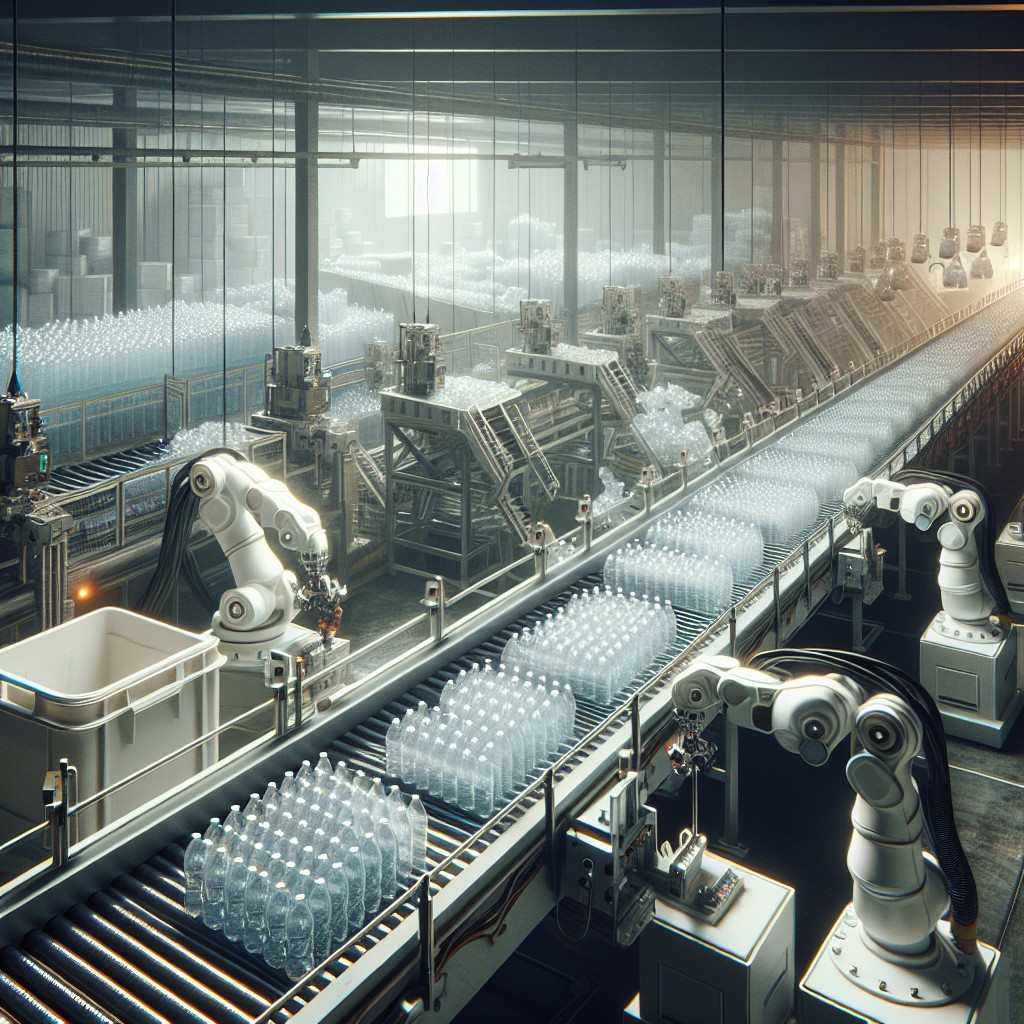
Recent advancements in plastic recycling technology are reshaping how the industry transforms plastic waste into dependable materials. These innovations promise to enhance recycling efficiency, reduce environmental impact, and foster a circular economy for plastics worldwide.
Advances in Chemical Recycling Technologies
Chemical recycling, also known as advanced recycling, has recently gained momentum as a method to break down plastics into their fundamental chemical building blocks. Unlike traditional mechanical recycling, which often results in lower-quality materials, chemical recycling allows for the reproduction of plastics with properties comparable to virgin materials. This breakthrough enables the recycling of a broader range of plastics, including those previously considered non-recyclable due to contamination or mixed material composition.
Improving Mechanical Recycling Processes
Mechanical recycling remains the backbone of plastic recycling operations globally. Recent improvements in sorting technologies—such as artificial intelligence-powered optical sorting systems—have increased the purity and quality of recycled plastics. Enhanced washing and shredding techniques are also minimizing contamination, thereby producing more reliable recycled pellets suitable for various industries, including packaging and automotive manufacturing.
Utilization of Recycled Plastics in High-Performance Applications
One significant breakthrough in plastic recycling is the successful application of recycled materials in high-performance contexts. Previously confined to low-grade uses, recycled plastics are now engineered to meet stringent standards in sectors such as construction, electronics, and consumer goods. This progress stems from advancements in polymer blending and additive technologies, which improve thermal stability and mechanical strength, thus broadening market acceptance of recycled plastic materials.
Environmental Benefits of Enhanced Recycling Methods
The environmental impact of plastic waste is a global concern, driving innovation in recycling methods. Breakthroughs in recycling technologies contribute to lower greenhouse gas emissions by decreasing reliance on virgin plastic production, which is energy-intensive and polluting. Additionally, efficient recycling reduces plastic leakage into oceans and landfills, aligning with international sustainability goals and regulatory frameworks aimed at curbing plastic pollution.
Challenges and Future Outlook for Plastic Recycling
Despite promising technological progress, challenges persist in scaling up plastic recycling infrastructure worldwide. Issues such as varying plastic types, economic viability, and regulatory barriers require coordinated efforts among governments, industry stakeholders, and research institutions. Looking ahead, increased investment in R&D and policy support is expected to enhance the efficacy and adoption of recycling technologies, positioning plastic recycling as a key element in sustainable material management.
Frequently Asked Questions about plastic recycling
What is plastic recycling, and why is it important?
Plastic recycling is the process of recovering plastic waste and converting it into reusable materials, which helps reduce pollution, conserve resources, and support sustainable manufacturing.
How do recent breakthroughs improve plastic recycling?
Recent breakthroughs enhance plastic recycling by enabling the processing of a wider range of plastic types, improving material quality, and reducing environmental impacts.
Can recycled plastics be used in high-performance products?
Yes, advancements in plastic recycling have made it possible for recycled plastics to be used in high-performance applications by improving their material properties.
What environmental benefits does plastic recycling offer?
Plastic recycling helps reduce greenhouse gas emissions, decrease plastic pollution, and lower dependency on virgin fossil materials, contributing positively to environmental sustainability.
What challenges remain for widespread adoption of plastic recycling?
The main challenges include managing diverse plastic waste streams, ensuring economic profitability, upgrading infrastructure, and harmonizing regulations to support plastic recycling efforts globally.