As cities across the globe grapple with rising temperatures due to climate change and dense urban development, finding effective solutions to mitigate urban heat has become a priority. However, implementing extensive infrastructural changes is often costly and slow. Fortunately, several innovative approaches offer cooler streets without the need for massive rebuilds.
Understanding the urban heat phenomenon
Urban heat, also known as the urban heat island effect, occurs when cities experience higher temperatures than surrounding rural areas. This happens as concrete, asphalt, and other materials absorb and retain heat, while limited vegetation reduces natural cooling. The consequences include increased energy consumption, poor air quality, and adverse health effects, particularly during summer months.
Cool pavement technologies as an immediate solution
One effective method to combat urban heat involves the use of cool pavement materials. These surfaces are designed to reflect more sunlight and absorb less heat compared to traditional asphalt or concrete. Products such as light-colored coatings, permeable paving systems, and reflective aggregates have been deployed in various cities to lower street temperatures by several degrees, thereby providing relief without full street reconstruction.
Enhancing urban greenery without large-scale planting
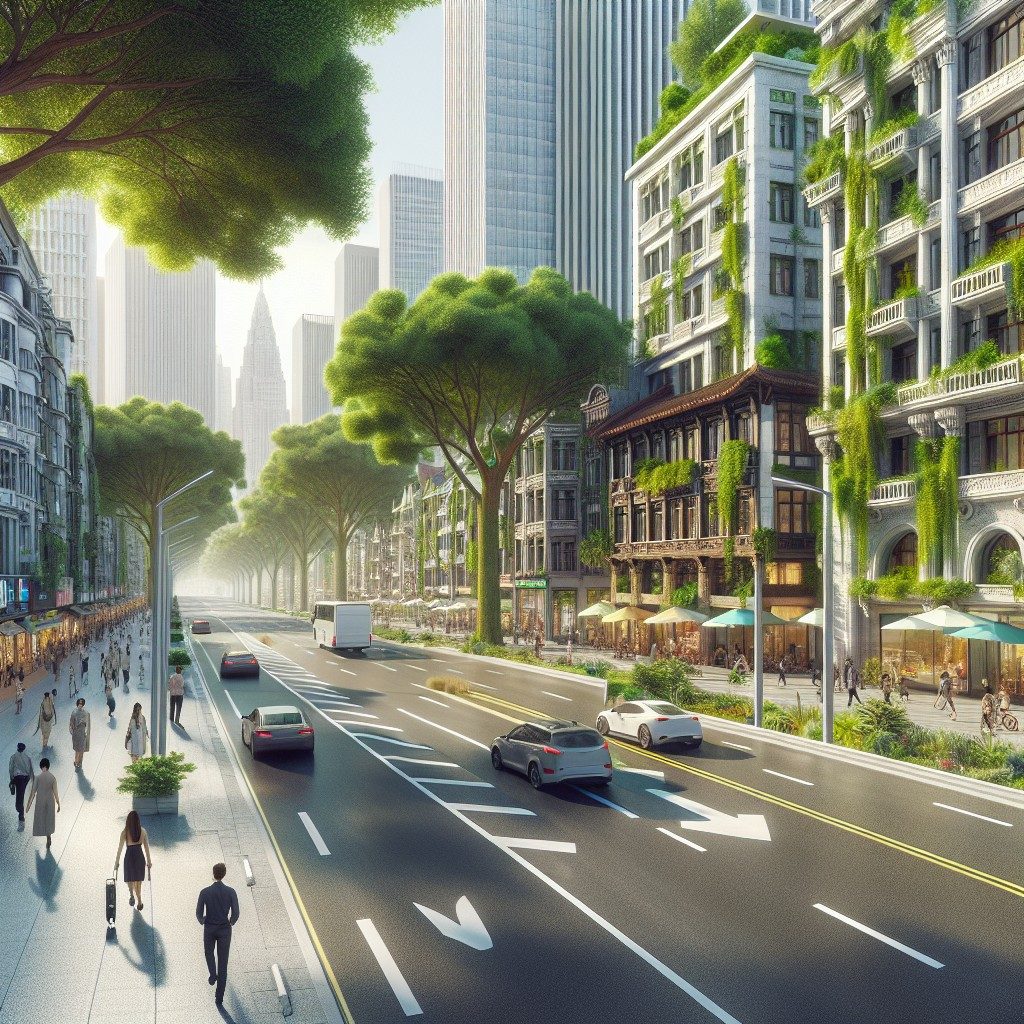
Increased vegetation helps reduce urban heat by providing shade and facilitating evapotranspiration. While adding large parks or tree plantations can be challenging, smaller-scale interventions like planting street trees in existing sidewalks, installing green roofs on low-rise buildings, and encouraging vertical gardens on building walls have shown promising results. These measures cool the environment locally and improve air quality.
Implementing urban shading structures
Shading is a practical way to reduce surface temperatures and protect pedestrians from direct sunlight. Urban planners and designers are increasingly incorporating shading elements such as strategic awnings, pergolas, and shade sails over walkways and public spaces. These structures are often modular, easy to install, and can be integrated with existing infrastructure without major rebuilding efforts.
Leveraging water features and misting systems
Water helps cool urban environments by absorbing heat and creating localized humidity, which can induce a cooling effect. Cities have introduced fountains, shallow reflecting pools, and misting systems in busy pedestrian areas to mitigate urban heat impacts. These installations do not require extensive infrastructure and can be adapted to fit a variety of urban settings, contributing to drop temperatures and increased comfort for residents.
Promoting material innovation and urban design
Advances in materials science offer new options for cooling urban spaces without large-scale reconstruction. For example, thermally adaptive materials change their properties in response to temperature fluctuations, helping reduce heat absorption during peak hours. Additionally, urban design strategies focusing on maximizing airflow through better street layouts and building orientation reduce heat buildup in dense city environments effectively.
Addressing urban heat through these targeted fixes offers cities a practical path to cooler streets without the extensive costs and timelines associated with massive urban rebuilds. Combining these approaches with longer-term planning can enhance urban resilience to rising global temperatures and improve quality of life for city dwellers.
Frequently Asked Questions about urban heat
What causes urban heat in cities?
Urban heat is primarily caused by the concentration of heat-absorbing materials like concrete and asphalt, reduced green spaces, and human activities that generate heat, leading cities to be warmer than surrounding rural areas.
Can urban heat be reduced without rebuilding streets?
Yes, urban heat can be mitigated through measures such as cool pavements, increased urban greenery, shading structures, water features, and innovative materials that cool surfaces effectively without requiring major street reconstruction.
How do cool pavements help manage urban heat?
Cool pavements reflect more sunlight and absorb less heat than traditional materials, which lowers the temperature of street surfaces and surrounding air, thereby reducing the urban heat effect.
Are green solutions effective against urban heat?
Increasing vegetation with trees, green roofs, and vertical gardens provides shade and facilitates natural cooling processes, making these green solutions effective in reducing urban heat.
What role does water play in controlling urban heat?
Water features like fountains and misting systems absorb and dissipate heat, increasing humidity locally and cooling the air, which helps alleviate urban heat in public spaces.